
Infant Physiotherapy Services in Toronto’s Trinity Bellwoods, Kensington-Chinatown, Queen West and Wellington Place Neighbourhoods
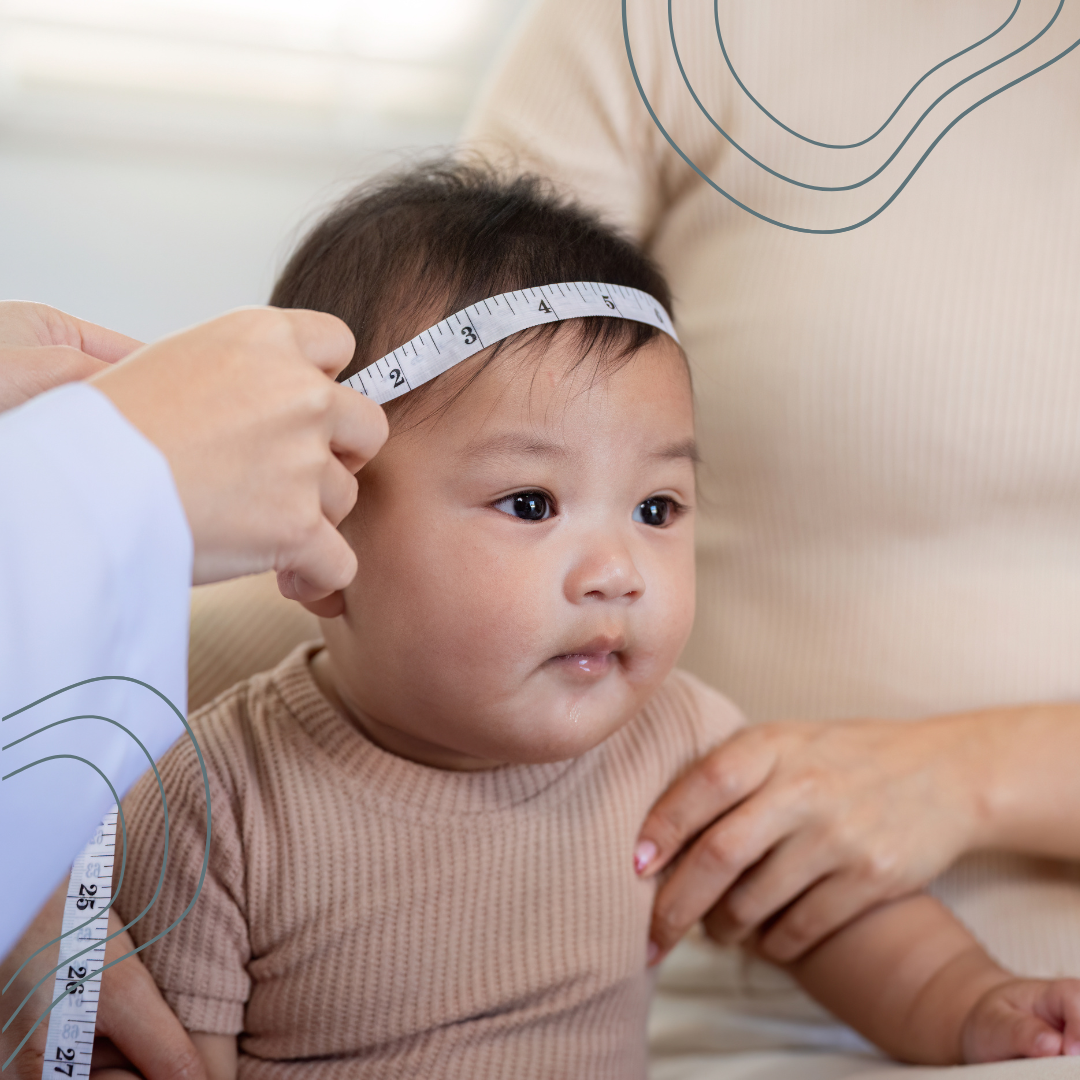
Head Shape Assessments
For torticollis and/or plagiocephaly.

Motor Milestone Assessments
For babies aged 0-18 months.
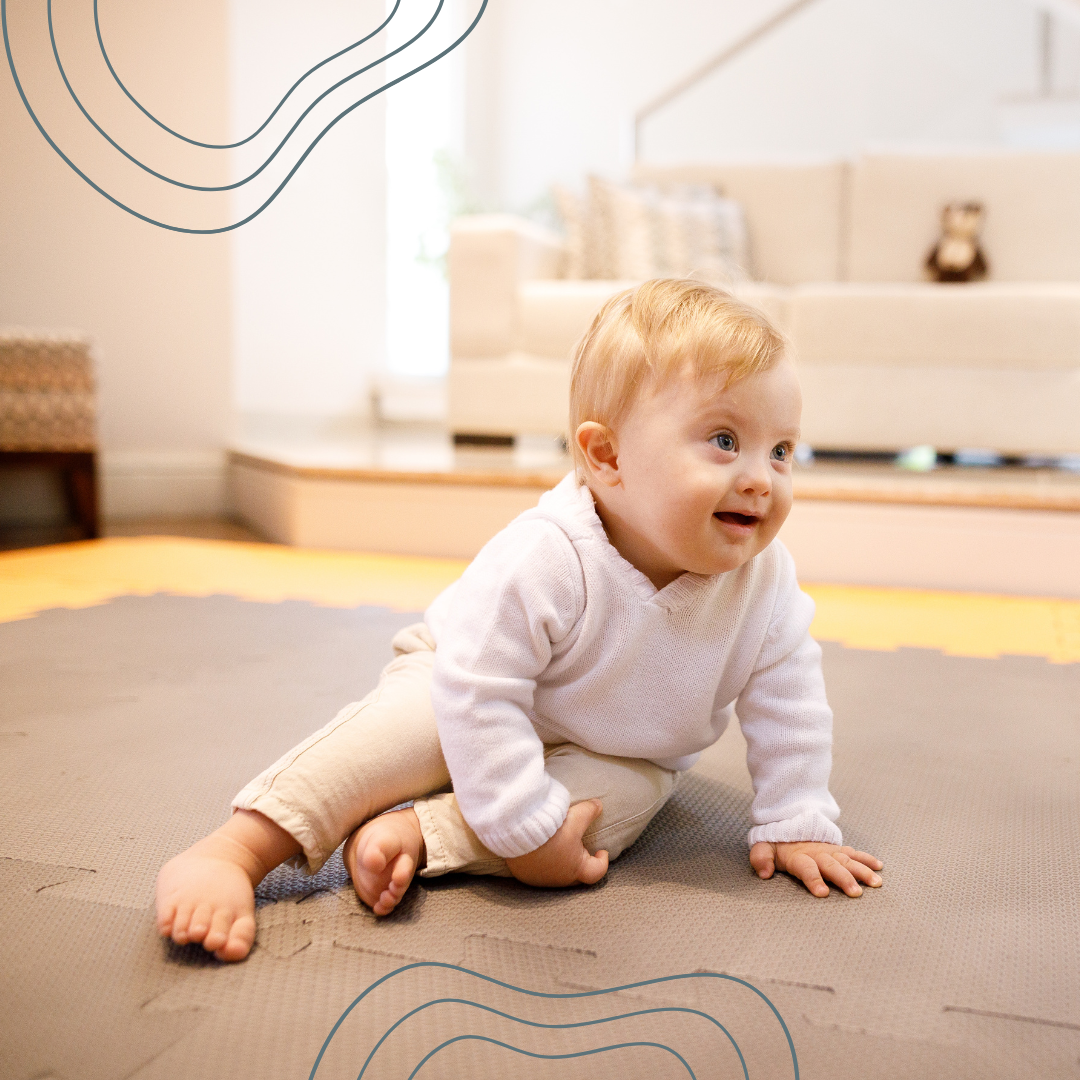
Birth Injuries and/or Physical/Developmental Disabilities
Including brachial plexus injuries, cerebral palsy (confirmed or suspected), Down syndrome, etc.
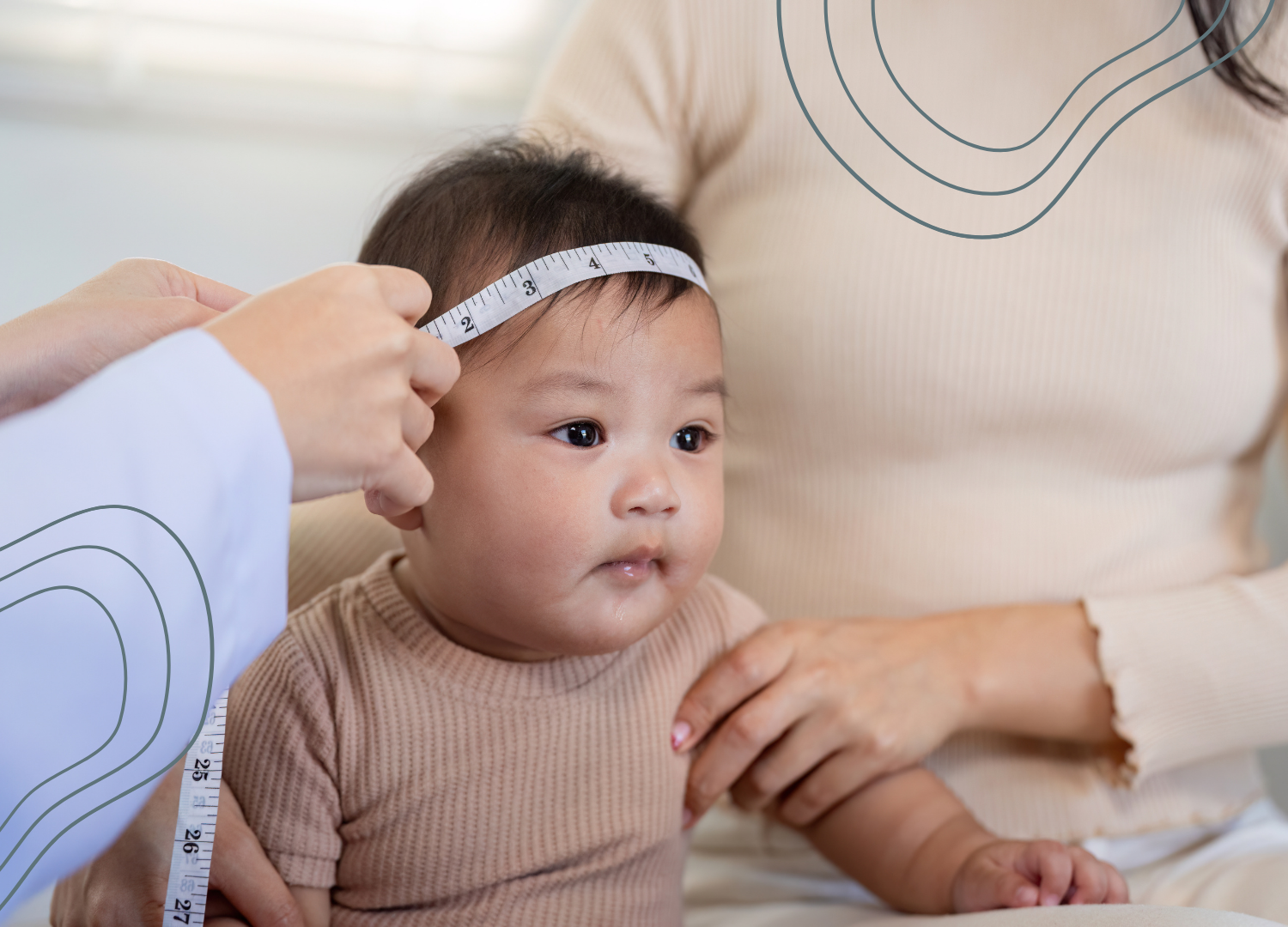
Torticollis/Plagiocephaly
Torticollis occurs when a baby has tightness in one of the neck muscles. This can cause your baby’s head to tilt to one side and turn more easily to the other. You may notice a preference for looking in one direction, difficulty feeding on one side, or delays in rolling and tummy time skills if it is not addressed.
Plagiocephaly refers to a flattening on one side of the back or side of a baby’s head. It often develops when a baby consistently rests in the same position, which can happen alongside torticollis due to their head-turning preference.
Physiotherapy plays a key role in treating both conditions. Treatment may include:
Gentle stretches and strengthening exercises
Positioning advice and practical handling strategies
Guidance for tummy time and play activities
Monitoring head shape and motor development
With early, consistent intervention and parent involvement, most babies show excellent improvement.

Motor Milestones
Motor milestones are the movement skills babies develop as they grow, including lifting the head, rolling, sitting, crawling, standing, and eventually walking. While there is a wide range of what is considered “normal,” milestones typically build on one another, with each new skill laying the foundation for the next. Strong early movement skills support not only physical development, but also exploration, learning, and confidence.
Some babies may reach milestones a little later than expected, show asymmetries in their movements, avoid certain positions (such as tummy time), or seem stiff or floppy. Infant physiotherapy focuses on identifying the underlying reasons for movement difficulties and creating a personalized plan to support your baby’s development. Treatment may include guided play activities, strengthening and balance exercises, positioning strategies, and hands-on techniques where appropriate. A key part of physiotherapy is empowering parents with simple, practical strategies that can be incorporated into everyday routines.
With early intervention and family-centred support, physiotherapy can help babies build strength, symmetry, and confidence as they grow.

Birth Injuries, and Physical and/or Developmental Disabilities
Birth injuries and early diagnoses of physical or developmental disabilities can feel overwhelming for families, but early support can make a powerful difference. Birth-related injuries may include nerve injuries, particularly of the Brachial Plexus, that affect how a baby moves and develops. Some infants may also be diagnosed with conditions that impact muscle tone, coordination, strength, or overall development.
Infant physiotherapy focuses on understanding your baby’s unique needs and creating an individualised, evidence-based plan to support their growth and function. Therapy may include gentle hands-on techniques, guided play, positioning strategies, strengthening activities, and developmental support tailored to your baby’s stage. Just as importantly, physiotherapy equips parents and caregivers with practical skills and confidence to support progress during everyday routines.
With early intervention and family-centred care, physiotherapy can help maximise movement, promote comfort, support developmental milestones, and encourage each child to reach their fullest potential in a nurturing and supportive environment.
Fees
Initial/Re-Assessment (60mins)
$160 CAD
Follow-Up (45min)
$140 CAD